
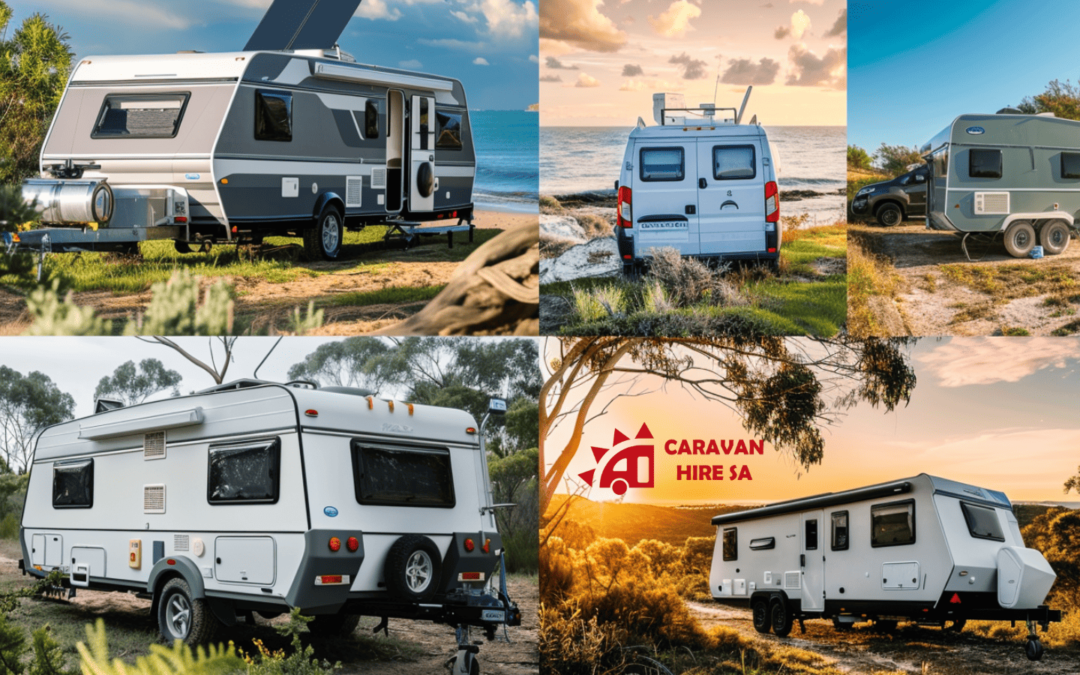
Selecting the best caravan to live in isn’t just about picking a good vehicle — the range of crucial choices to make is bigger and requires a better understanding of which tools and design choices will help you maintain the desired daily routine. With several types of caravans to consider, you can be picky and realise your vision to the fullest extent possible — conventional, pop-top, and converted vans are just the tip of the iceberg.
Why Choosing the Right Caravan Matters When It’s Your Home
A caravan built for weekend camping won’t survive long-term living without constant repairs, stress, and wasted money. Everything from insulation to pantry size suddenly matters because you’re not just staying in it — you’re living in it.
Here are some of the reasons why navigating through caravan types for data-driven decision-making should be your top priority:
- The comfort of your stay in this home on wheels impacts your mental health. Its poor layout, little storage, or bad ventilation quickly becomes overwhelming during full-time travel.
- Durability matters. Full-timers put from 5% to 10% more wear on a caravan, on average, than those designed for holiday and weekend stays.
- Weather-resistant tools of the target vehicle determine your overall safety. Protect your wellness and belongings with modern moisture controls, cooling and heating systems, insulation, and more.
- Towing weight will also affect your journey. Your tow vehicle, fuel costs, and road confidence hinge on weight and stability.
- Take control of the productivity of your home. Its layout should be optimised for remote work, for instance, — the right positioning of power outlets, comfy seating, and so on.
- When browsing through all the type caravans, consider their repair needs and ease of access to the vehicle’s parts. Please note that some brands have limited service networks for their vans.
- Storage determines the livability of your home in Australia.
If you miss out on the crucial considerations, you will create long-term issues for your daily life:
- Mould;
- Water tank limitations, forcing frequent and unplanned stops on the road;
- Poor bed comfort, negatively affecting your sleep quality;
- Cramped spaces in the home on wheels, disrupting your routine and causing mood swings from dusk till dawn;
- Constant condensation, etc.
When it’s your home, you should prioritise the following:
- Bed quality to minimise exhaustion from daily setups (permanent or easily foldable options);
- Simple access to power on the road, including solar systems, inverters, and lithium batteries;
- Upgraded insulation and ventilation, adjusted for weather condition shifts in Australia;
- Double-glazed windows, if possible;
- More advanced construction technologies (like composite walls) for enhanced moisture resistance;
- Several storage places, including under-seat and overhead spaces.
Take your time to compare the available options in the market. Being constantly on the move doesn’t mean your life should be any less convenient than what other forms of housing can offer.
Caravan Glossary for Living — Which Type Suits You?
Different types of caravans are there for a good reason. Let’s uncover their peculiarities and functional capacities. Onwards!

Pop-Top Caravan
One of the key features is its liftable roof section (hence the name), which allows users to drastically increase the height of the interior. Pop-tops are designed for travellers who need full living facilities, but want easier towing and storage. The collapsible roof lowers wind resistance, allowing smaller vehicles to manage them confidently:
- Pros — it is for lower towing drag and fuel use, fits in garages and under carports, and is more affordable than full-height alternatives.
- Cons — in comparison, slightly reduced insulation and soundproofing, with more demanding maintenance for the vehicle’s pop-up section.
- Best suited for — couples or solo travellers who want full caravan comfort but need a lower profile for storage, suburban parking, or windy coastal driving.
Full-Size Caravan
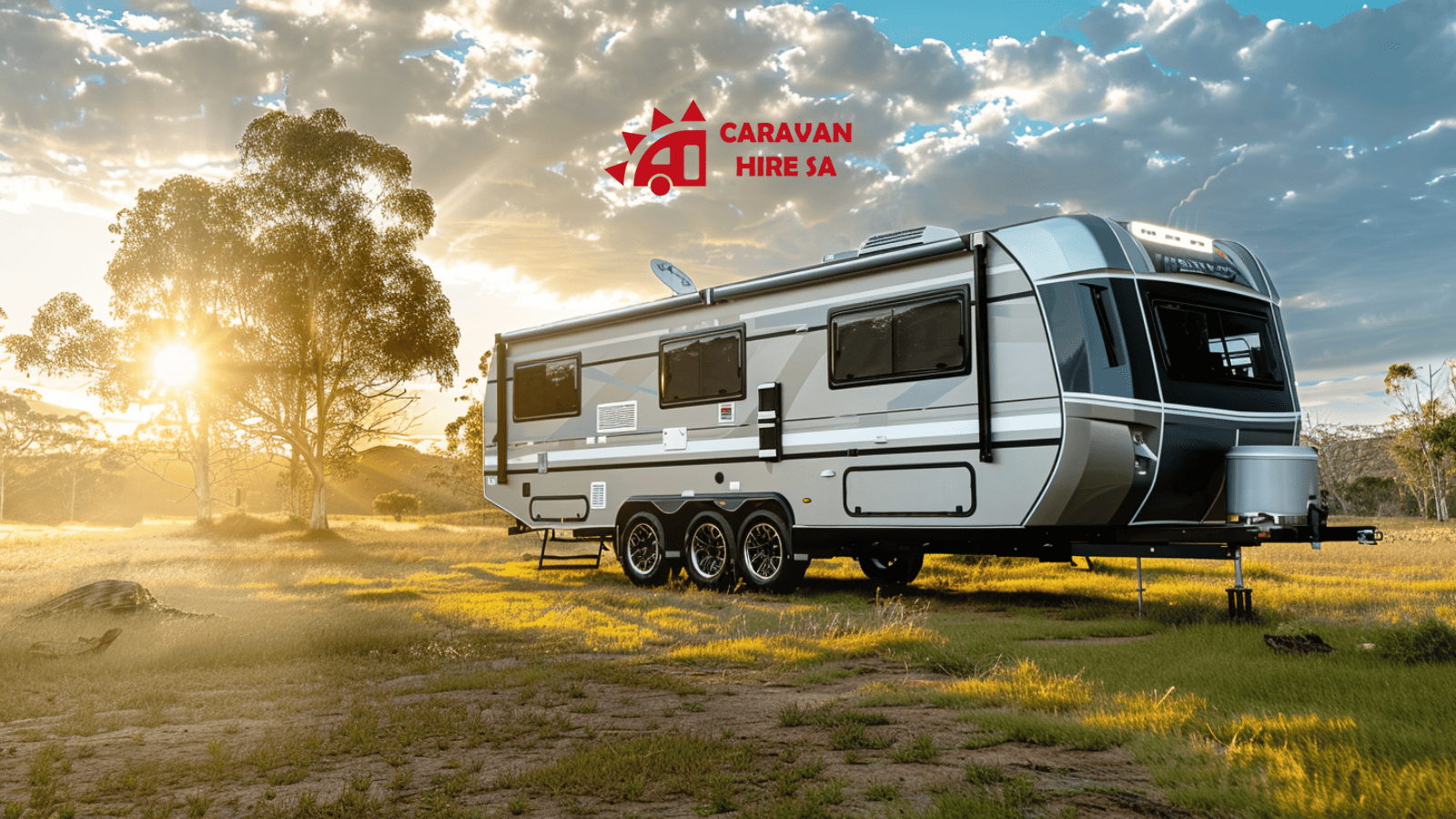
This design highlights a rigid, full-height touring home with permanent walls and maximum internal space. It’s the closest alternative to a small flat on wheels. Such caravan layouts introduce you to a more stable living environment — spacious lounges and permanent beds as a unique example of their interior ergonomics:
- Pros — the best comfort level for long-term living, full storage and large appliances, as well as excellent insulation and durability to rely on.
- Cons — such vehicles are way heavier and much harder to tow, which might need an additional investment in a more advanced and better-powered tow vehicle.
- Best suited for — full-time living on the road for entire families.
Off-Road Caravan
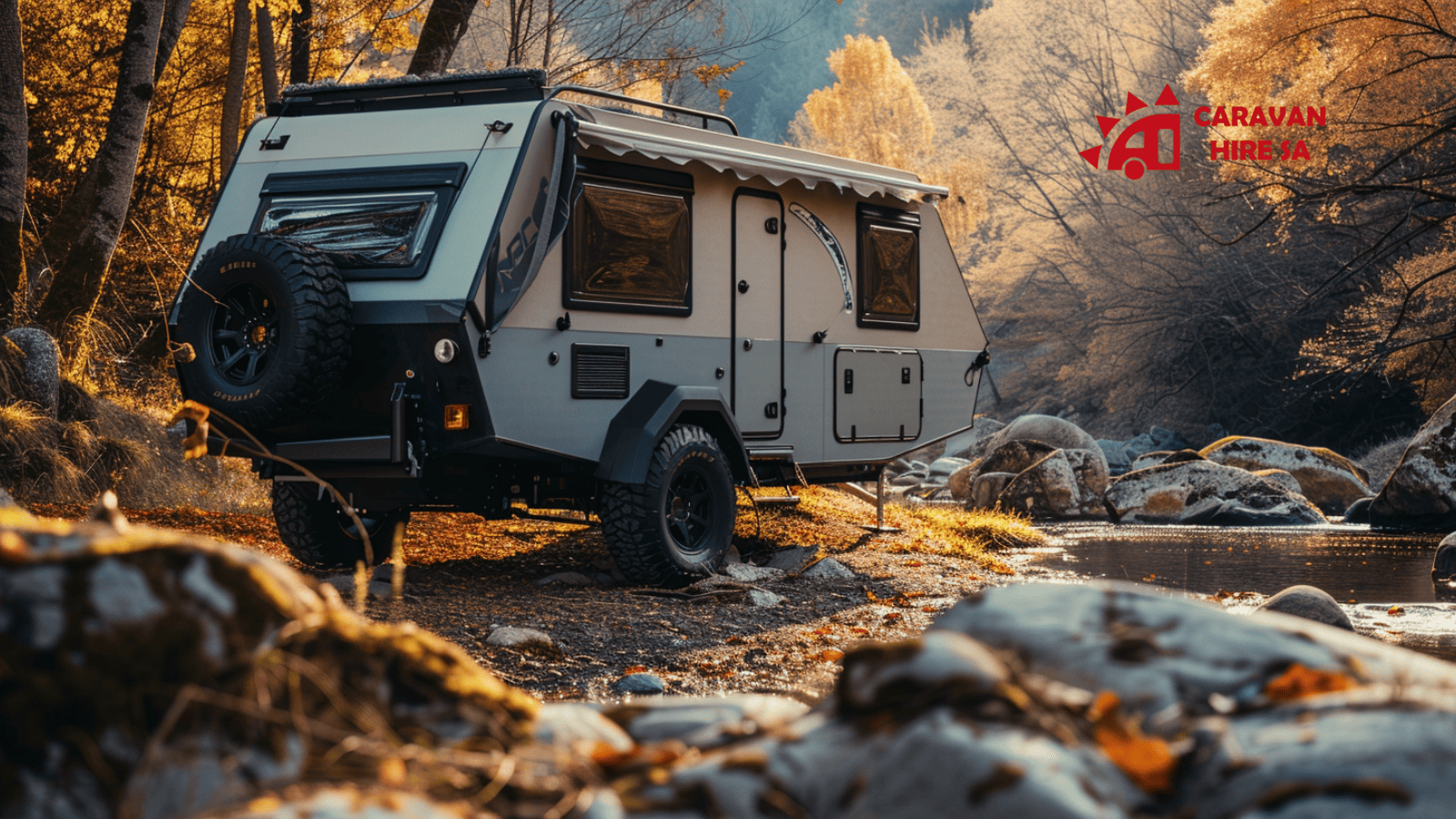
As the name implies, this vehicle is designed to withstand the challenging nature of adventures in the wild. It’s more sturdy and stable, standing out with its reinforced design elements and heavy-duty suspension — a perfect match for unsealed routes. All-terrain tyres, a more durable chassis, and other features ensure your vehicle won’t be damaged by rough roads in Australia. However, their overengineering is valuable only if you genuinely plan remote travel — otherwise, you’ll be towing unnecessary mass:
- Pros — designed for remote and rugged conditions, with larger tanks and a stronger build.
- Cons — heavy and expensive to manage, with reduced fuel efficiency.
- Best suited for — for those who are ready to uncover the magic of unsealed tracks in the country.
Compact (or Small) Caravan
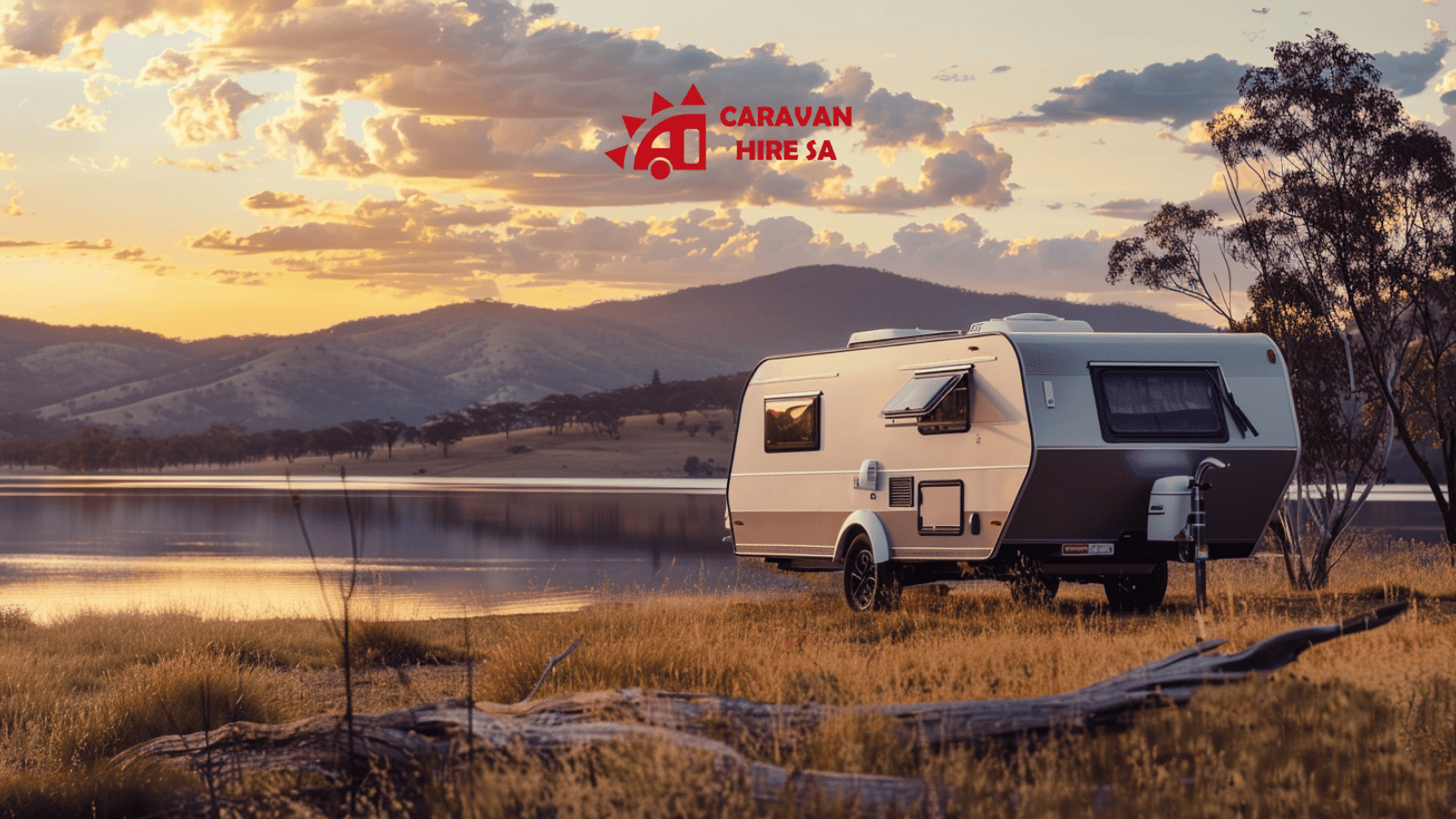
In comparison with other caravan styles, it opts for maximum manoeuvring flexibility and simple towing because of its lightweight build. Although their interior space is limited, the use of multipurpose seating, beadings, and so on lets you maintain a stable and effective lifestyle nonetheless. On the other hand, this focus on mobility matters when you need to stay in places with parking restrictions based on caravan sizes. Here is why people choose this layout among other caravan styles:
- Pros — very easy to tow, lower running costs, access to more campsites, and suitability for tighter road traffic.
- Cons — limited space in the cabin requires a more thoughtful interior planning and a new daily routine.
- Best suited for — for any Aussie interested in a simple, affordable, and hassle-free travel.
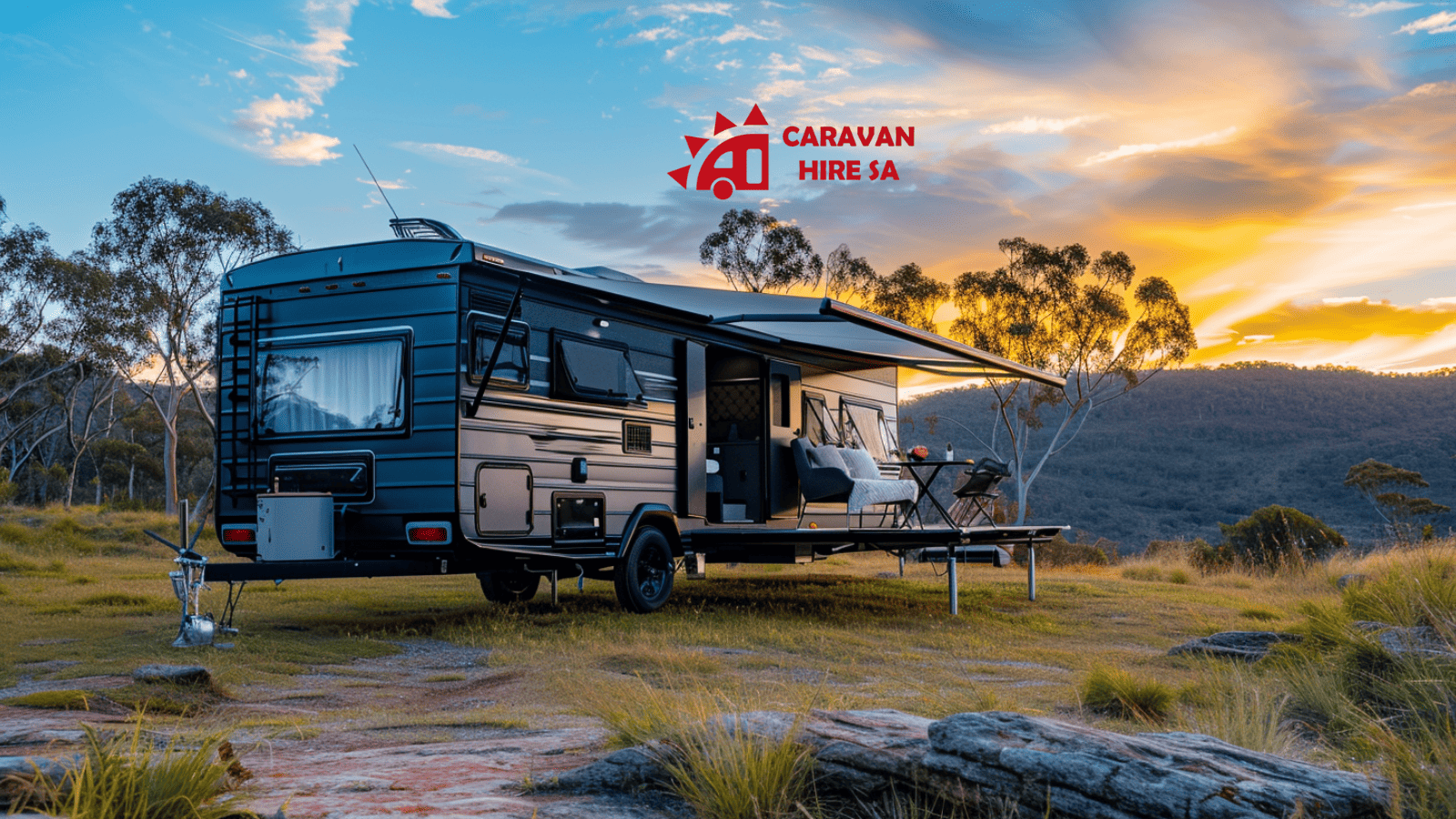
Slide-Out Caravan
They are a technical allusion to pop-up vans. However, instead of liftable roofs, they come with extendable sections within the chassis. While this feature comes in handy only during your stays at campsites, it lets you satisfy more needs, supporting more comfortable lounging:
- Pros — a significantly larger interior space, given the “slide-out” upgrade, which makes it more luxury-focused than other layouts.
- Cons — unique mechanical components will require tailored maintenance. In addition, several campsites with size-related restrictions won’t allow this feature to shine.
- Best suited for — anyone looking for more room during their parking time.
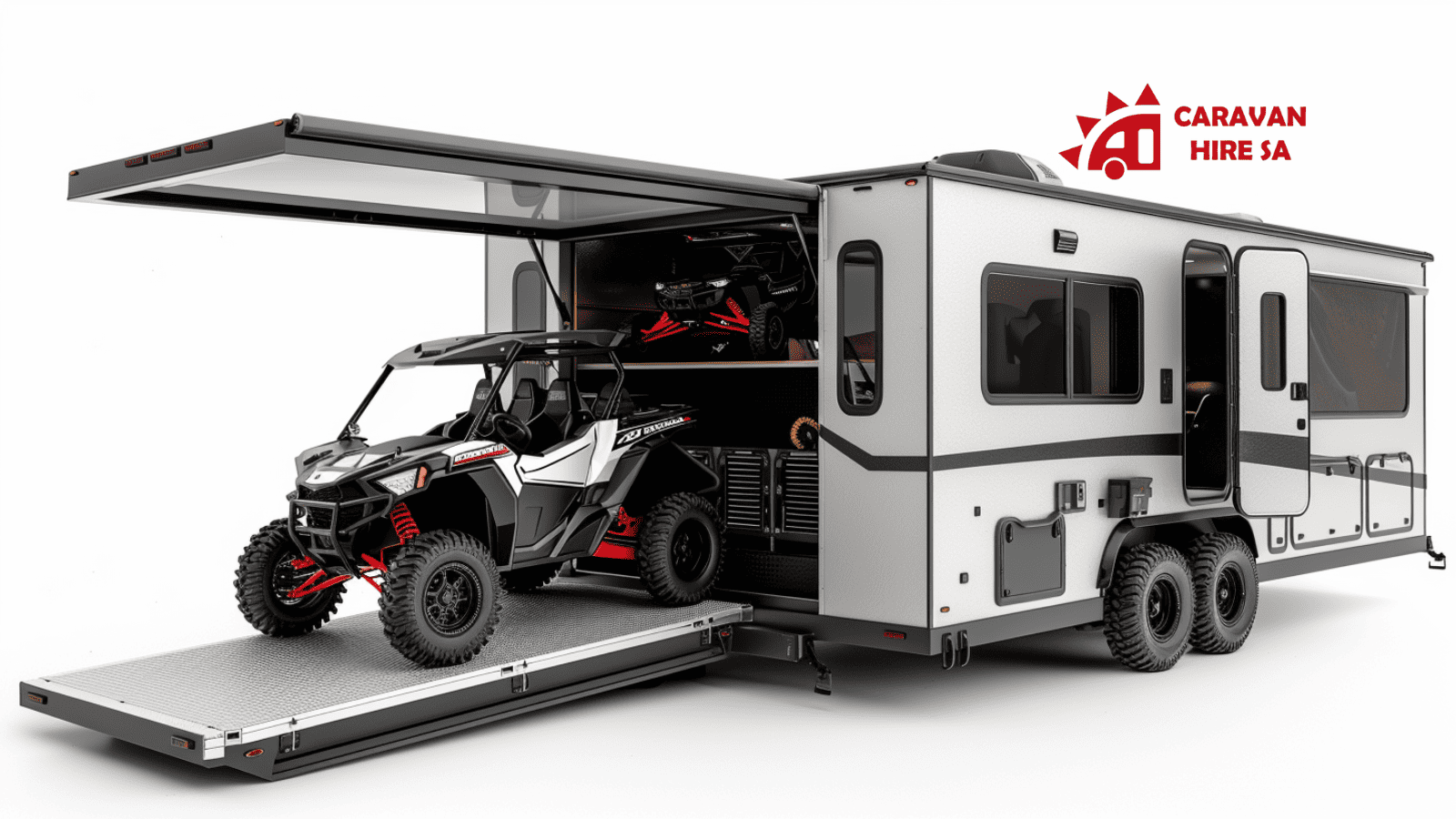
Toy Hauler
One of the distinguishing aspects is its garage-style zone in the rear, letting you transport a few more vehicles along the way — your children’s bikes or outdoor equipment for family picnics, for instance. It provides you with a hybrid version of a home on wheels — a living space and a garage in one go:
- Pros — multipurpose rear space, a chassis with strong frames for elevated durability.
- Cons — heavier than standard caravans, with a set
- Best suited for — families and individuals who want to take their gear with them and use it effectively on the road.
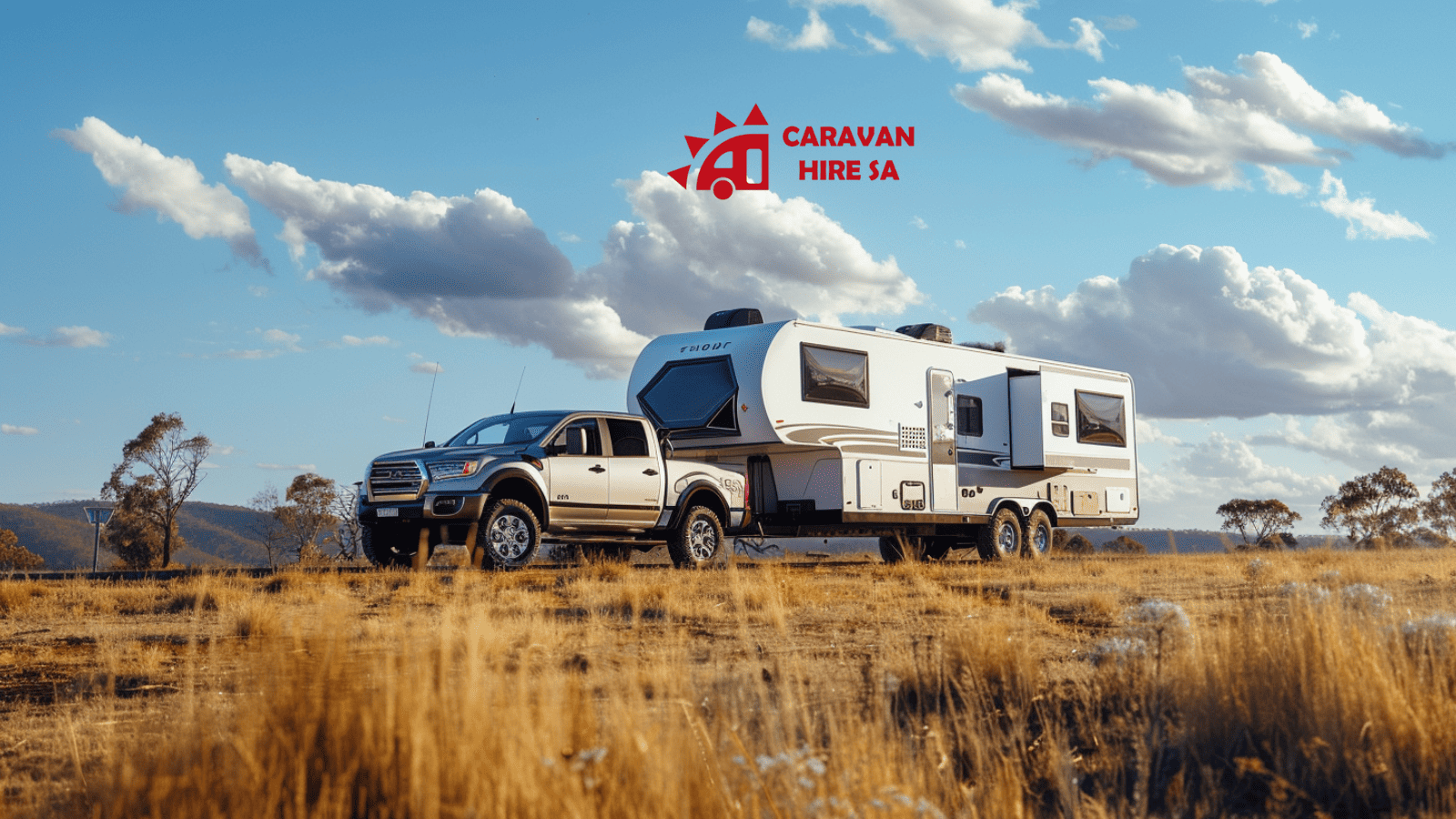
Fifth Wheeler
This vehicle comes with a special hitch system, allowing a wider range of manoeuvres when “linking” with heavy-duty, pickup, and other trucks. These caravans offer enormous interior space thanks to a raised forward section. Given the hitch point’s location (in the truck bed), it makes the overall construction more stable:
- Pros — exceptional towing stability, residential-style layouts with huge living spaces.
- Cons — it requires specific tow vehicles, which may not be ideal for tight road traffic and parks.
- Best suited for — full-time travellers wanting maximum comfort and stability, especially couples who prefer spacious, home-like interiors.
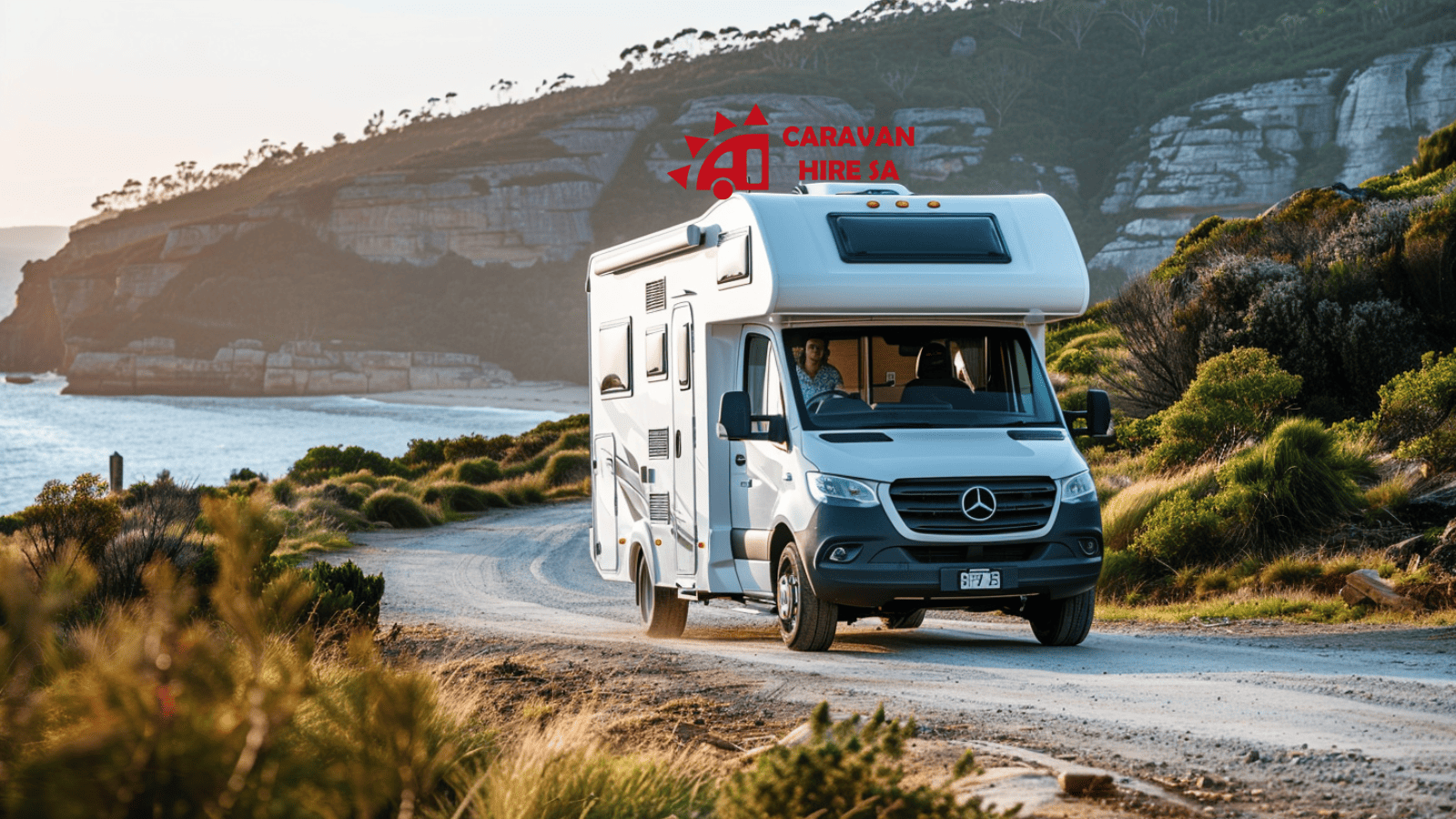
Motorhome
This design doesn’t have any need for towing — it’s a multifunctional setup with several integrated spaces and processes. Depending on the style, interiors may vary from compact layouts to luxury coach-style arrangements. A commonly overlooked drawback is service downtime: when your motorhome needs mechanical work, your entire home is stuck at the service centre. Still, the convenience of “all-in-one” travel appeals to many:
- Pros — no towing required, a fast setup and pack-down, which is great for frequent relocations.
- Cons — immobilised during repairs and maintenance, with limited vehicle flexibility.
- Best suited for — travellers who want to eliminate the towing element and streamline their experience, given their frequent moves.
Camper Trailer
These types of caravans Australia are extremely portable, featuring a compact towable unit that can transform into a separate living setup. Despite being simple, many modern models include kitchen slides, water tanks, and battery systems:
- Pros — lower upfront costs, easy to store, and great for occasional adventures.
- Cons — not ideal for long-term living, with higher weather exposure and a slower setup.
- Best suited for — weekend travellers or budget-conscious adventurers who enjoy outdoor, tent-like camping with added convenience.
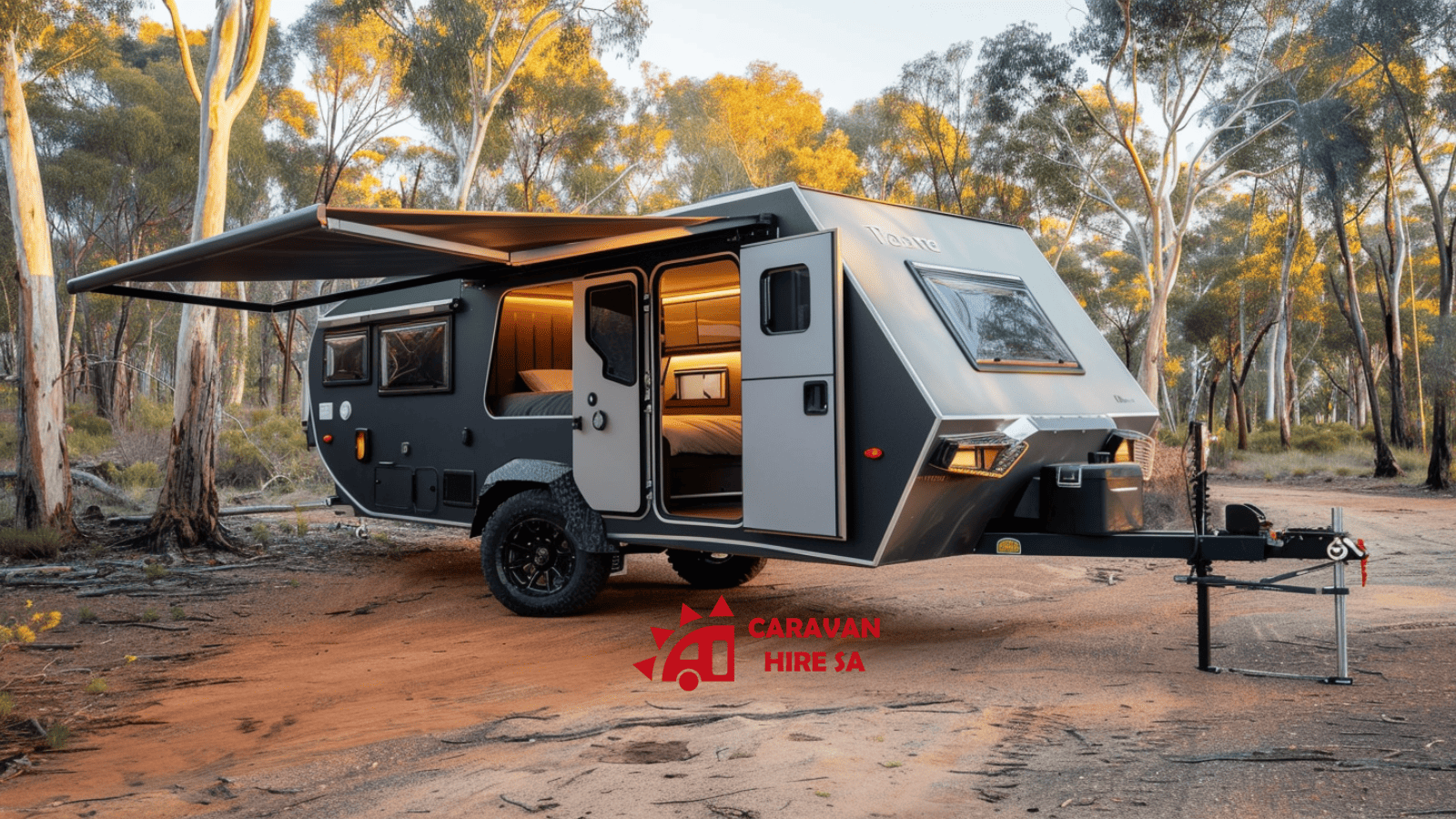
Hybrid Caravan
Such off-grid caravans usually feature hard walls, external kitchens, and compact interiors. They offer off-road readiness without sacrificing essential comforts like beds, power, and an insulated structure. Their shorter length improves manoeuvrability on tight tracks:
- Pros — off-road capabilities, more comfort (in comparison with camper trailers), and easier towing mechanisms.
- Cons — less internal living space, with external zones that may be limited for use in bad weather conditions in Australia.
- Best suited for — for those who don’t require a full-size vehicle but want a bit more comfort than what more portable solutions can offer.
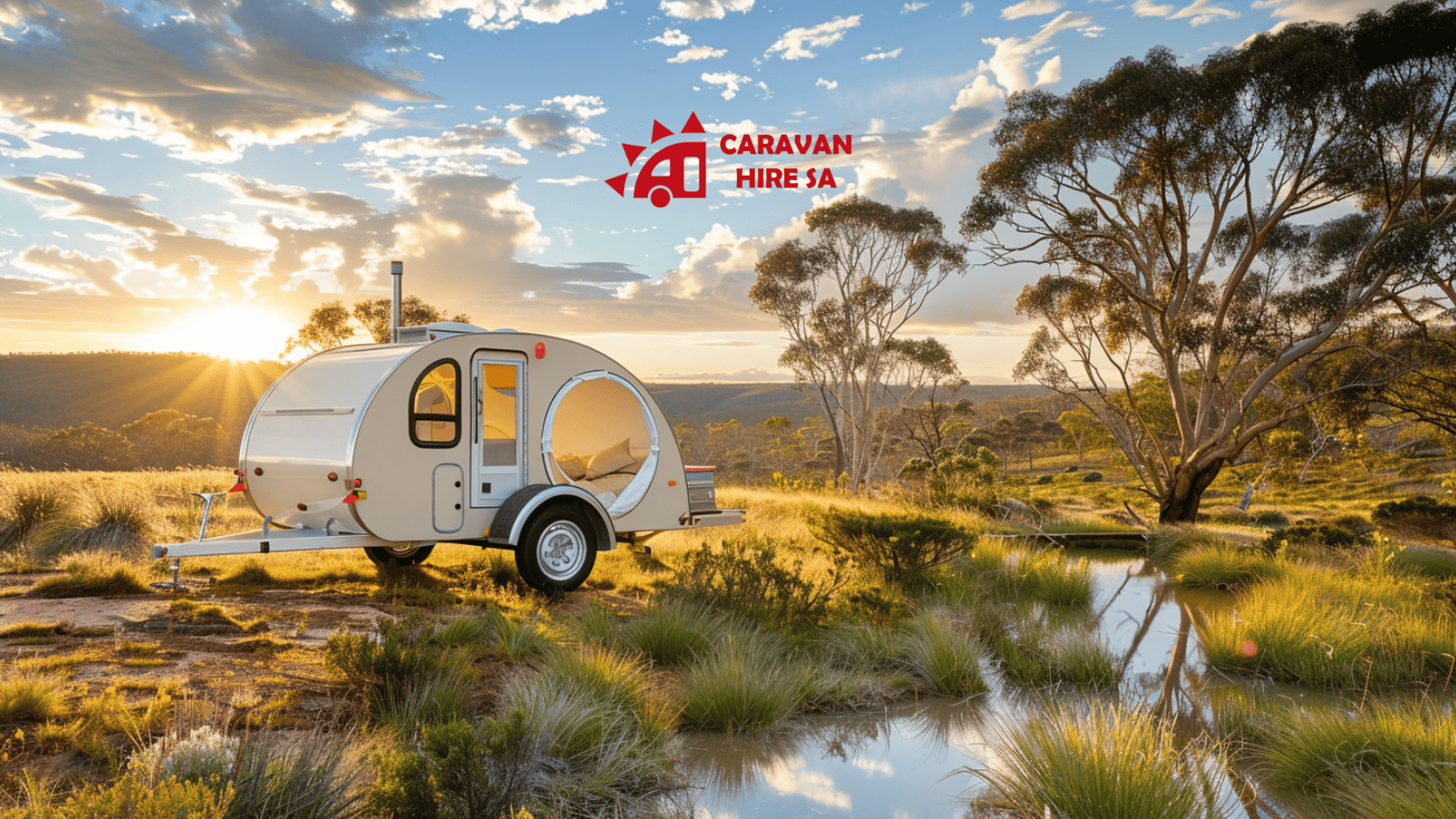
Teardrop Caravan
Inside, this aerodynamic pod offers a cosy sleeping space, often with clever storage and simple electronics. They create psychological comfort for solo travellers due to their hard walls and lockable structure — something tent camping can’t provide:
- Pros — lightweight, simple to tow and park, fuel-efficient, and affordable.
- Cons — no internal bathroom or kitchen, with limited headroom for movement.
- Best suited for — solo travellers and people preferring minimalist lifestyles.
How to Choose the Right Caravan for Your Lifestyle
Aside from comparing various types of caravans in Australia, you also need a deeper understanding of your likes and dislikes in the matter:
- Start by identifying your lifestyle, budget opportunities, and travelling preferences.
- Decide how much space you really need — from family caravans to more compact solutions.
- Match it to your tow vehicle, as well.
- Consider your travelling locations — standard vans for highway moves or hybrid vehicles for mixed terrains.
The key considerations for a smart choice are as follows:
- Size and weight — impact on towing licence, fuel use, and where you can park.
- Insulation & materials — your comfort in different climates.
- Storage & layout — long-term livability aspects.
- Bathroom & kitchen setups — from full en-suites to combined designs or no internal options.
- Road — the quality of the chassis and other structural elements for off-road and sealed travels.
Your Real Home Starts with the Right Choice
With so many caravan models to select from, a smart decision-making strategy is what helps you make your daily life on the road safer, more predictable, and less stressful. Take your time — this choice will define the efficiency of your long-term travels in Australia from A to Z.
FAQs
Is reroofing better than repair in the long term?
Reroofing may be a smarter strategy, especially in cases with outdated roofing systems or those requiring constant repairs. If you face minor issues, repairs may be sufficient.
Can I repair a leaking roof myself?
DIY fixes are sufficient for minor leaks. A licensed expert will inspect the system to detect any structural problems, if any, and offer a higher-quality service.
Does reroofing require council approval in Australia?
A lot depends on the nature of the target project. You are safe to take action with simple reroofing right away. Australian council approval is a must for structural needs and other major design changes.